PhD in
engineering
Numerical modeling and theory
Left academia: uncertain career prospects
Immediately after PhD
RnD:
Embedded Systems Engineer
Time in industry:
3yrs 5months
Tommaso’s fascination with trains and railroad networks led him into the field that combines engineering with computer science, mechatronics. Once he started his studies in his home country of Italy, he was hooked. During his master’s studies, he was introduced to the open questions and active research areas in the field, which led him to pursue a PhD.


There, he studied optimisation strategies for real-time communication between sensors and controllers (any device that relies on sensor information to operate). He was particularly drawn to the challenges present in the modern networks of sensors and controllers. The growing complexity of such systems relies on the efficient communication of ever-increasing amounts of sensor data as industries continue to push toward greater automation and optimisation.
His undergraduate study program offered many opportunities for internships with various industry partners, opportunities that most of his colleagues ultimately turned into permanent positions. However, during his PhD he landed on a different set of career expectations, reflecting a more academically focused culture.
I was also thinking about continuing in academia, which is also an option in our field. Because we have a product in front of us it seems more like applied research. But I think there is still the need for, let’s say, academic research in the field.
Move towards real-world problems and job stability
As his PhD studies drew to a close, the idea of transitioning from academia into industry became increasingly compelling. He was eager to work on more tangible topics with immediate real-world impact.
I wanted to see that my work had, so to say, a final product. Which is something that I was missing in academia a little bit. That it’s not completley true, because the research done in academia is used world wide and is really important. But you do not often develop an end product that people use directly in the same way you would in a company.
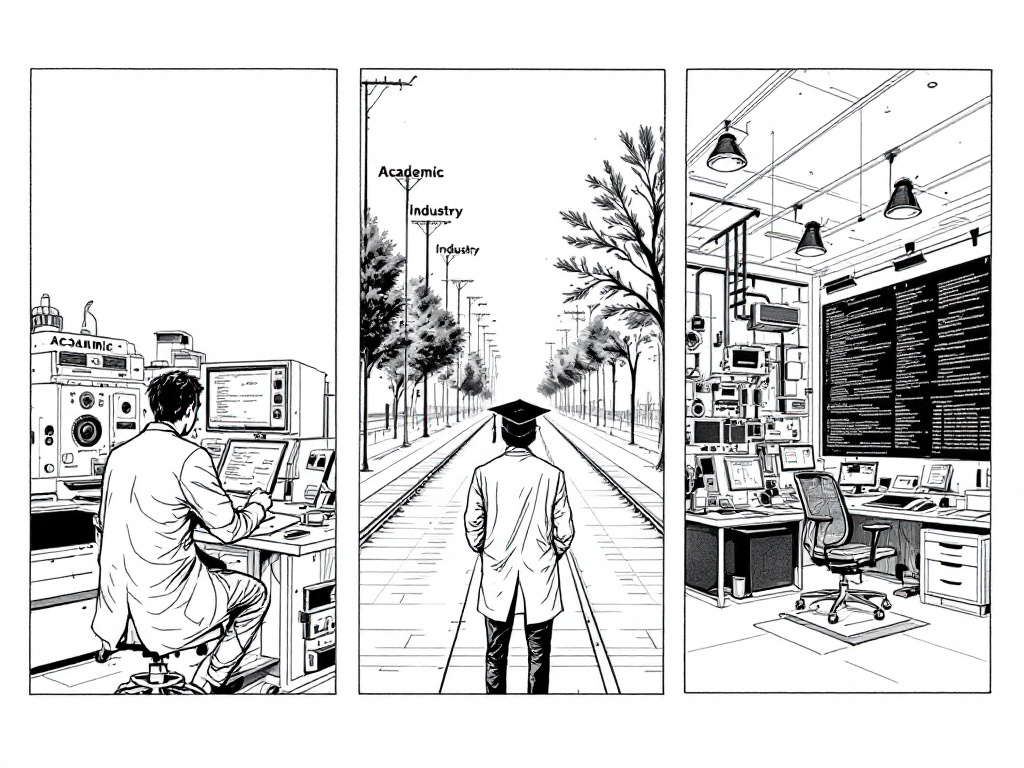
At the same time, job prospects and long-term security in academia appeared increasingly uncertain. The prospect of securing a permanent position after years of nomadic postdoctoral projects felt too precarious for his comfort.
… going to the industry gave me the possibility to think more about my practical future. I’m sorry to say, but salaries and general conditions are better. I mean, I already have a permanent contract [after 3.5 years], which is highly unlikely after same amount of time as a postdoc.
Tommaso, the RnD specialist
He found more stability and connection with real-world problems as a Research and Development (RnD) specialist in the electrical engineering department at LEITNER Seilbahnen in Austria. Now he works primarily on embedded systems for cable cars and thoroughly enjoys it.
He secured this position by sending unsolicited CVs to companies where he would consider working, even if they were not actively recruiting. The hiring process was quite swift, and he signed the contract while still waiting for his PhD defence. In his view, unsolicited applications can be a great way for a PhD graduate to land their first industry role.
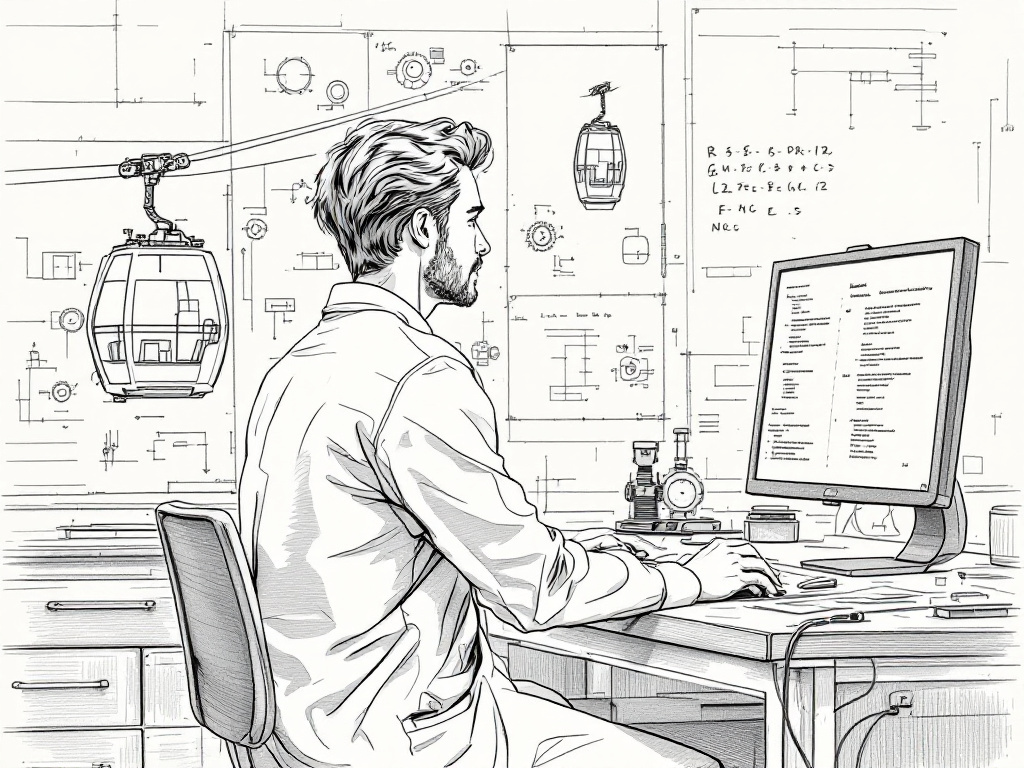
The big challenge, in my opinion, when searcing for a job in industry with a PhD degree is that there are not that many open positions that are really tailored to what you did. Because when you finish a PhD you are usually specialised in a very narrow topic. Finding an open position that exactly fits that topic is very challenging.
Since the company had already employed PhD graduates, they had a good understanding of the skills a person with such a background can offer. Tommaso pointed out that proficiency in writing production-grade code is typically developed through years of industrial experience. On the other hand, his PhD training prepared him well for RnD, where he conceptualises a problem, dives deep into literature for clues and solutions and then iterates until he solves it (or the available time runs out). He feels that both his colleagues and the company value his contribution to the team.
A day in the life of an electrical RnD specialist
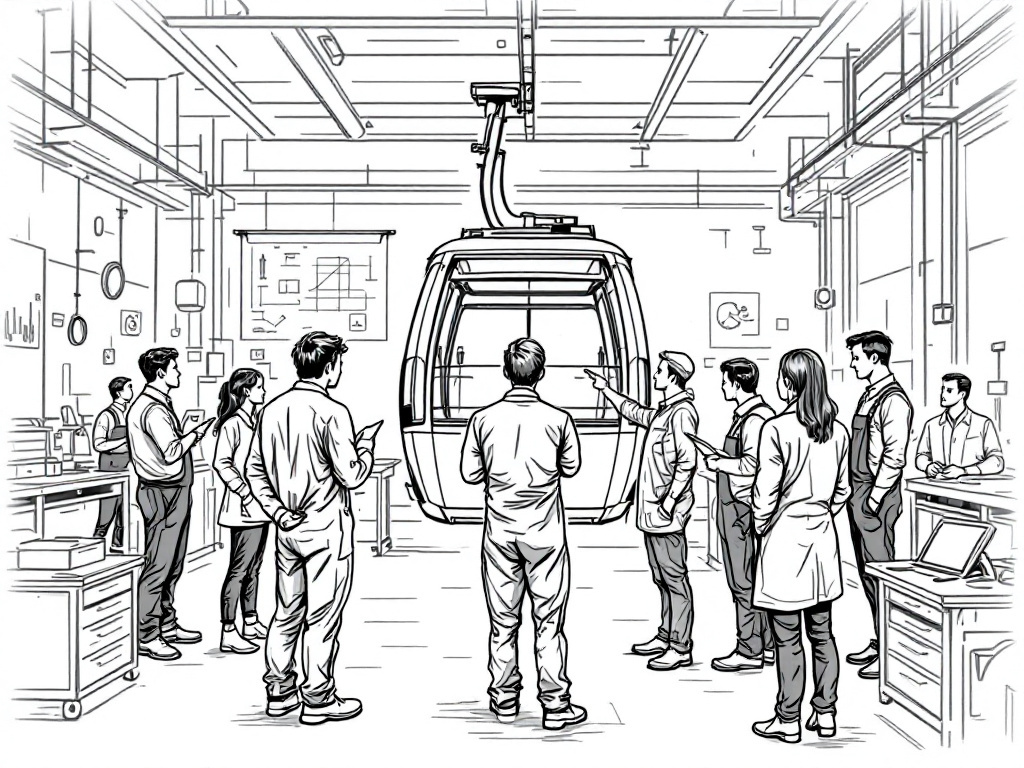
Tommaso spends most of his working hours coding. His key tasks revolve around breaking down new problems into individual parts, searching the literature for possible solutions and combining insights from them. Occasionally, he visits installation sites to see the finished product he helped design, which he especially enjoys. These excursions give him the opportunity to talk with technicians who install and service the company’s products and have hands-on experience with their performance in real-world scenarios. It gives him a sense of direct connection to the problems he works on, something he did not experience during his academic research.
… when you do research, a lot of work is not tested in real-life conditions. So having the feedback from the field is something that is priceless. It gives you the possibility to understand how to do your design job better from the start.
Concluding thoughts
The grass is never completely greener on the other side. What he misses the most from his academic years is the freedom to dig as deeply as he wants into a problem. He acknowledges the inherent for-profit nature of his current position, which requires a viable solution to a concrete problem, not a complete description of all possible solutions. However, the stability and job security more than offset this.
Contributions and AI credit
Tadeja wrote and edited the text. When polishing the rough edges, she recruited help from close 3-dimensional friends: Alice and Tommaso and two artificial friends: Open AI’s ChatGPT and Mistral AI’s Vibe. All images were kindly generated by Vibe, with skilful prompting by yours truly.
Leave a Reply